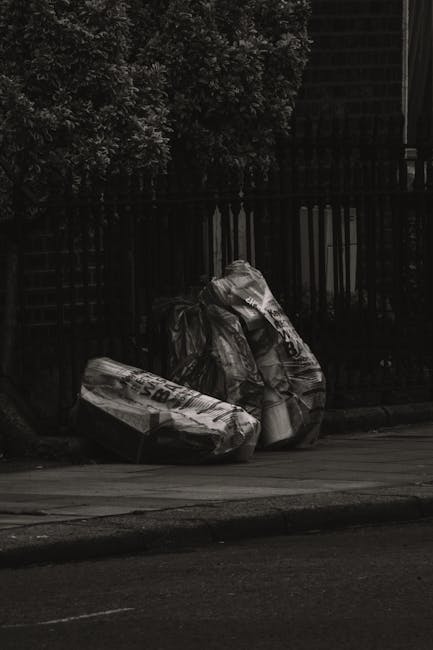
Rubbish collection Lupus Street Pimlico quick booking tips
If you need rubbish collection on Lupus Street in Pimlico, speed matters. Maybe the flat is full after a move, maybe the garden bags have piled up, or maybe you just want the place cleared before the weekend and don't fancy living around black sacks for another day. Either way, the trick is not just finding a service. It's booking it quickly, clearly, and without awkward surprises.
This guide to Rubbish collection Lupus Street Pimlico quick booking tips walks you through the practical side of arranging a collection fast: what to prepare, what to ask, how to avoid delays, and which details make a booking go smoothly first time. It is written for real life, not tidy theory. Because let's face it, rubbish tends to appear when you are already busy.
Table of Contents
- Why Rubbish collection Lupus Street Pimlico quick booking tips Matters
- How Rubbish collection Lupus Street Pimlico quick booking tips Works
- Key Benefits and Practical Advantages
- Who This Is For and When It Makes Sense
- Step-by-Step Guidance
- Expert Tips for Better Results
- Common Mistakes to Avoid
- Tools, Resources and Recommendations
- Law, Compliance, Standards, or Best Practice
- Options, Methods, or Comparison Table
- Case Study or Real-World Example
- Practical Checklist
- Conclusion
- Frequently Asked Questions
Why Rubbish collection Lupus Street Pimlico quick booking tips Matters
A quick booking is not only about convenience. In a busy Pimlico street, a delay can mean bags blocking a hallway, bulky items taking over a front room, or waste sitting where it shouldn't for longer than you planned. If you live in a flat, share a building, or manage a property, that build-up can become a nuisance very quickly.
There is also a trust angle here. A fast booking should still be a careful booking. If you rush and forget to mention what needs removing, you can end up with extra calls, revised quotes, or a collection that cannot happen as planned. That is exactly why a good set of quick booking tips matters: it helps you move fast without being sloppy.
In practical terms, the best bookings happen when the customer knows three things before they start: what needs to go, how much there is, and when access is easiest. The rest tends to fall into place. Not always, but usually.
If you are comparing options more broadly, it can help to look at the wider waste removal approach as well as specific services like flat clearance or house clearance. That gives you a clearer sense of what suits the job, especially if the rubbish is mixed with furniture or household items.
How Rubbish collection Lupus Street Pimlico quick booking tips Works
Most quick-book rubbish collections follow a simple pattern. You describe the waste, the provider estimates the load, you agree the time window, and the team arrives to remove everything safely. The process sounds straightforward because, most of the time, it is.
What slows things down is vague information. A phrase like "just a bit of rubbish" can mean anything from a few bin bags to a room full of loft clutter. A better booking gives specifics: number of bags, type of waste, heavy items, stairs, parking access, and whether there are awkward items such as appliances or mattresses. That one change can save a lot of back-and-forth.
Quick booking also works best when you know the difference between standard mixed rubbish and specialist waste. For example, a pile of old furniture may suit a furniture disposal option, while renovation leftovers may point towards builders waste clearance. If there is a sofa, fridge, or mattress in the mix, those items deserve a mention early rather than later.
Some collections are arranged for the same day or next day, but availability depends on workload, access, and the complexity of the job. Quick booking tips are really about making the job easy to quote and easy to complete. The easier you make it for the collection team, the faster the whole thing usually moves. Simple, but true.
Key Benefits and Practical Advantages
The biggest benefit is obvious: speed. But speed is only part of the story. A well-booked rubbish collection can also reduce stress, prevent safety issues, and stop clutter from spreading through the property. If you have ever stepped over a bag of broken bits three times in one day, you know how mentally annoying that gets.
- Faster turnaround: clear information can shorten the time between enquiry and collection.
- Less disruption: you can plan around work, family life, or building access more easily.
- Better pricing clarity: accurate descriptions usually make quotes more reliable.
- Safer clearance: heavy or awkward items can be handled with the right equipment and plan.
- More suitable service match: the right category of clearance avoids delays and misunderstandings.
There is another practical upside too: a quick booking can stop waste from becoming a bigger job. A few items in a hallway can turn into a whole-room shuffle before you know it. With a fast booking, the clutter gets dealt with while it is still manageable.
For people moving out, refurbishing, or clearing after a tenancy, the convenience of a prompt pickup can be worth more than shaving a tiny bit off the price with a slower, less certain option. Time, frankly, has a cost of its own.
Who This Is For and When It Makes Sense
This kind of rubbish collection advice is useful for a wide mix of people. If you are a tenant, landlord, homeowner, letting agent, or business manager, the same basic rules apply: be clear, be ready, and don't leave the booking until the last minute if you can help it.
It makes especially good sense when:
- you need rubbish gone before a handover or inspection;
- you are clearing a small flat or maisonette;
- you have bulky items that are hard to move alone;
- there is mixed waste after a tidy-up or light refurb;
- access is limited and you want the collection to be efficient;
- you need a one-off collection rather than ongoing waste services.
It is also useful for people who have had a classic "how did this much stuff appear?" moment. We've all seen it: one wardrobe gets replaced, then a box of old bits turns up, then suddenly there are chairs, packaging, and a battered shelf leaning against the wall. It happens.
If the clear-out is larger or includes whole rooms, you may also want to look at home clearance or loft clearance. Those pages can be useful when the job has moved beyond ordinary bagged rubbish.
Step-by-Step Guidance
If you want the quickest possible booking, follow a simple process. Do the small things well and the rest becomes much easier.
- List everything that needs removing. Start with the obvious items, then add the awkward ones. Old furniture, broken appliances, bags, boxes, dismantled shelves, carpet offcuts, and the like.
- Take a few photos. Good pictures help a lot. Wide shots, then close-ups of bulky items. If there is a pile behind a door or in a basement corner, photograph that too.
- Think about access. Is there a lift? Narrow stairs? Parking nearby? Can a van stop outside, or will it need a bit of planning? Access is one of those things people forget until collection day.
- Separate anything special. If you have appliances, confidential paperwork, or items that may need special handling, flag them early. That includes freezers, fridges, and anything potentially hazardous.
- Check what can stay and what must go. It sounds obvious, but mixed piles often include things the customer wanted to keep. Best to sort it before the collection team arrives.
- Request the quote with full details. The more accurate the description, the better the quote is likely to be. That means fewer adjustments later.
- Choose the earliest workable slot. If you want speed, don't ask for a vague "sometime next week". Pick the first slot that genuinely fits your schedule.
- Prepare the collection area. Clear a route to the waste if possible. It saves time and usually makes the job safer.
- Review payment and booking terms. Before confirming, make sure you understand the basics. A quick look at payment and security is worth the minute it takes.
- Keep your phone handy. On the day, small access issues sometimes need a quick call or text. Being reachable helps everything run smoother.
If the collection includes a sofa or mattress, it can be useful to check the relevant disposal pages as part of planning. The mattress and sofa disposal information is especially handy when bulky soft furnishings are taking up too much room for too long.
Expert Tips for Better Results
The fastest bookings are usually the ones that answer questions before they are asked. Here are the small details that make a big difference.
- Use real quantities, not guesses. "About six bags, two chairs, one broken chest of drawers" is better than "quite a lot".
- Mention anything heavy. Heavy items affect labour, time, and access planning. Don't leave them out.
- Be honest about awkward access. If parking is tight or there are three flights of stairs, say so. Nobody likes surprises on arrival.
- Bundle by area if you can. Bags in one place, furniture in another. It makes the collection quicker and tidier.
- Ask whether the service can handle mixed waste. Some jobs are straightforward; others are a bit of everything. Mixed jobs need clearer descriptions.
- Book before the deadline. If you need the space back for cleaners, decorators, or new tenants, allow a small buffer. The night before is brave. Sometimes too brave.
- Choose collections that suit the waste type. A general waste removal service is not always the best answer if the load is mostly furniture, appliances, or builders debris.
One practical observation from real jobs: people often underestimate the time saved by sorting waste into obvious groups. Even a five-minute sort can make the quote conversation faster and the collection itself less fiddly. The team arrives, sees a sensible layout, and gets on with it. Everyone wins.
Expert summary: If you want a fast rubbish collection booking, make the job easy to understand. Clear photos, honest access notes, item counts, and a realistic time slot will usually beat a rushed enquiry every time.
Common Mistakes to Avoid
Some booking problems are avoidable, and they tend to be the same ones again and again. Nothing dramatic. Just small errors that snowball.
- Hiding the full load: leaving out bulky items causes quote changes or delays.
- Forgetting access issues: a narrow stairwell or no parking nearby can change the plan.
- Mixing general rubbish with restricted items: not everything can be handled the same way.
- Waiting until the last possible day: if timing matters, leaving it late is risky.
- Assuming all collections are identical: flat clearances, office clearances, and garden waste each have their own quirks.
- Not checking what needs separating: confidential papers, fridges, or hazardous materials deserve attention.
The funniest part, if you can call it that, is how often a job is delayed by one forgotten item in the corner. "Oh, there's also that old freezer." There always seems to be a freezer. Not always, but enough to make the point.
It also helps not to understate the amount of waste just to sound neat. A precise booking is not about perfection. It's about truthfully describing what is there so the collection can be planned properly.
Tools, Resources and Recommendations
You do not need much to book well, but a few simple tools make the process smoother. A phone camera, a notes app, and a tape measure are often enough. Seriously, that is usually the whole toolkit.
- Phone photos: capture the whole area and the biggest items.
- Simple inventory notes: jot down counts like bags, boxes, chairs, and appliances.
- Measuring tape: useful for tall wardrobes, sofas, or tight hallways.
- Access notes: floor level, lift availability, parking, and entry codes if relevant.
- Service pages: for larger or specialised jobs, review pages like office clearance, garage clearance, or garden clearance if your waste is concentrated in one type of space.
If you are unsure whether the items are recyclable, reusable, or best disposed of as mixed waste, the recycling and sustainability page is a useful place to think through the broader approach. That is especially relevant when the load includes a mix of salvageable and broken items.
For business users, waste planning needs a bit more structure. If you are booking for an office or workplace, business waste removal is a more suitable starting point than a generic ad hoc collection. Same with documents, where confidential shredding may be the more sensible option.
Law, Compliance, Standards, or Best Practice
Waste collection in the UK comes with basic responsibilities, even for small household jobs. You do not need to become an expert in regulations, but it helps to understand the main principles. Waste should be handled safely, taken to appropriate facilities, and dealt with in line with accepted industry practice.
For everyday customers, the most important point is simple: do not include items in a collection if they need special handling and have not been disclosed. That applies to hazardous waste, some electrical items, chemicals, and certain heavy or contaminated materials. If you are not sure, ask before booking. Better a cautious question than a messy collection day.
Good providers should also be clear about safety, access, and how they manage the work on site. Pages such as health and safety policy and insurance and safety give useful reassurance that the business thinks beyond just lifting and loading.
If you are dealing with unusual or sensitive waste, it is sensible to keep the process straightforward and documented. For example, hazardous items should be separated and discussed in advance, and any confidential material should be handled through the appropriate service. That is common-sense practice, and in this area common sense helps a lot.
One more thing: if you are choosing between a clearance service and a skip, it may help to compare the expected waste stream with what can go in a skip. Even if you are not using a skip, the comparison can clarify what type of waste you actually have.
Options, Methods, or Comparison Table
Not every rubbish problem needs the same solution. Some jobs are quick and obvious; others need a slightly more structured approach. Here is a simple comparison to help you decide.
| Method | Best for | Strengths | Limitations |
|---|---|---|---|
| Quick rubbish collection | Small to medium loads, mixed household waste, urgent clear-outs | Fast, convenient, minimal effort on your side | Needs clear item details for the best results |
| Flat clearance | Whole-room or whole-property clearances | Good for larger jobs and broader removal needs | May be more than you need for a simple load |
| Furniture disposal | Sofas, wardrobes, tables, chairs, and other bulky items | Useful when furniture is the main issue | Not ideal if waste is mostly mixed rubbish |
| Builders waste clearance | Renovation offcuts, rubble, and site debris | Matches construction-type waste better | Not the right fit for normal household clutter |
The right choice usually comes down to what dominates the load. One sofa and five bags? That's different from a building project aftermath or a full house reset. You will notice the difference the moment you start listing items properly.
Case Study or Real-World Example
Imagine a Pimlico flat on Lupus Street after a rushed room refresh. There are three black sacks of old clothes, a broken bedside cabinet, packaging from new furniture, a mattress that has to go, and a few bits of mixed clutter in the hallway. Nothing outrageous, but enough to be annoying every time someone walks past.
The booking goes well because the customer does three simple things. First, they send photos from both the bedroom and hallway. Second, they mention the mattress and the cabinet separately. Third, they note that the building has stairs and limited daytime parking. No drama, no surprises.
Because the details are clear, the collection is scheduled in a suitable slot and the team knows what equipment and time window to allow. The waste is cleared without a second call, and the flat is ready for the next stage the same day. That is the whole point of quick booking tips: less faffing, more done.
It sounds small, but those little details change the whole feel of the job. Instead of a stressful back-and-forth, it becomes a tidy, predictable handover. Much nicer.
Practical Checklist
Use this before you book. It keeps the process quick and helps avoid the usual little snags.
- Take clear photos of all waste.
- Count bags, boxes, and bulky items.
- Note any stairs, lifts, or access restrictions.
- Check whether parking space is available nearby.
- Separate furniture, appliances, and ordinary rubbish if possible.
- Flag anything that may need special handling.
- Make sure the quote request includes the full load.
- Choose the earliest realistic booking slot.
- Confirm payment details and booking terms.
- Keep your phone available on the collection day.
Quick reassurance: if your job feels a bit messy, that is normal. Most rubbish collections are not perfect little piles in neat rows. A decent provider will still work with you as long as the basics are clear.
Conclusion
Fast rubbish collection on Lupus Street in Pimlico is mostly about preparation. The booking itself can be quick, but only if the information is clear enough to make it quick. That means photos, counts, access notes, and a realistic idea of what needs removing. Do that well and you are already ahead.
There is no need to overcomplicate it. The best bookings are usually the calm, practical ones where the customer has thought through the load and the provider can respond properly. Clean process, less stress, job done. Nice and simple.
If you are planning a clear-out and want a straightforward next step, take a minute to review the most relevant service pages, gather a few photos, and decide what needs to go first. Then the rest is just booking it in and getting on with your day.
Get a free quote today and see how much you can save.
Frequently Asked Questions
How do I book rubbish collection quickly on Lupus Street, Pimlico?
Have photos ready, list the items clearly, mention access details, and choose the first time slot that genuinely works for you. The clearer the request, the faster the booking usually moves.
What information helps get the fastest quote?
Item counts, photos, bulky items, stairs, parking access, and whether anything needs special handling. Those details reduce follow-up questions and speed things up.
Can I book same-day rubbish collection?
Sometimes, yes. It depends on availability, the size of the load, and access. Same-day bookings are easier when the waste is clearly described and the collection point is straightforward.
Is rubbish collection better than hiring a skip for a small flat?
Often it is, especially if access is tight or you want the waste removed without storing a skip outside. For mixed household clutter in a flat, a collection service can be the simpler option.
What should I do with furniture I want removed quickly?
Separate it from loose rubbish where possible and mention it early. If furniture is the main part of the load, services focused on furniture clearance or disposal are often a better fit.
What if I have a mattress or sofa as well?
Say so during booking. Larger upholstered items can affect loading plans, and it helps to use the relevant disposal guidance so the job is matched properly from the start.
Do I need to sort everything before collection day?
No, not always. But a basic sort makes a big difference. Keeping general rubbish, furniture, and unusual items separate helps the team assess the load more quickly.
What happens if I forget to mention an item?
It may slow things down or change the quote if the item is significant. One forgotten bag is rarely a disaster; a forgotten fridge or wardrobe is a different matter entirely.
Are there items that need special handling?
Yes. Hazardous materials, some electrical items, and certain bulky or contaminated objects should be flagged in advance. If in doubt, ask before you book rather than guessing.
How can I make access easier for the collection team?
Clear a route, unlock gates or communal doors if needed, share entry instructions, and mention parking restrictions. A few minutes of preparation can save a surprising amount of time.
Is it worth checking the provider's safety and payment details?
Absolutely. It is a quick trust check and helps you feel more comfortable before confirming. Useful pages include insurance and safety and payment and security.
What is the best way to avoid delays on collection day?
Be reachable, keep the waste accessible, and make sure the description you gave matches what is actually on site. That last part sounds obvious, but it is where a lot of problems start.
Where should I go if I need help with a bigger clear-out?
If the job is bigger than a simple rubbish pickup, look at the more specific clearance options, such as flat, house, office, loft, garage, or garden clearance. The right service makes the whole process calmer and quicker.