Health & Safety Policy for Flat Clearance Pimlico
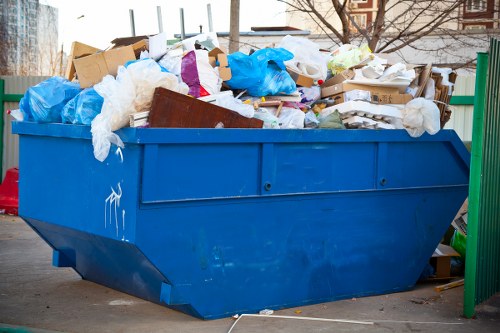 Purpose: This document sets out the health and safety policy applicable to all flat clearance and waste removal operations carried out by our teams. It is written to ensure that every employee, contractor and authorised visitor understands the standards required to manage waste, rubbish collection and property clearance tasks safely across our service area. The policy emphasises prevention of injury, control of risks and compliance with statutory duties while operating as a responsible rubbish company that handles domestic and commercial waste.
Scope and Objectives
This policy applies to all work activities including flat clearances, apartment clearouts, junk removal and ancillary transportation. Our objectives are to: reduce work-related illness and injury, maintain safe systems for waste handling and disposal, and ensure clear accountability. The policy supports safe working in the wider rubbish removal service area and is designed for use by supervisors, crew members and administrative staff.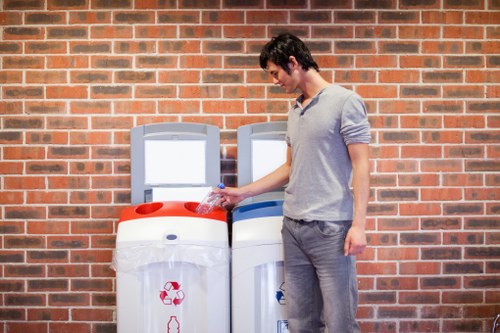 Legal and Management Commitment: Management accepts responsibility for providing adequate resources to meet this policy. We will comply with relevant health and safety legislation and industry standards for waste clearance and removal. A designated safety lead will coordinate risk assessments, safe work method statements and permit-to-work arrangements where needed. The company is committed to continual improvement and will review performance through audits and regular management review.
Risk Assessment and Control Measures: All flat clearance jobs will have documented risk assessments before work begins. Hazards commonly encountered include manual handling of bulky items, needle-stick or sharps risk, hazardous household substances, trip and fall risks, and vehicle movement. Controls will include:
- Elimination or substitution: where possible avoid handling hazardous items, segregate materials.
- Engineering and administrative controls: use of trolleys, ramps, barriers and traffic management; scheduling work to minimise manual handling and team lifting.
- Personal protective equipment (PPE): gloves, hi-vis, steel-toe boots and eye protection as standard.
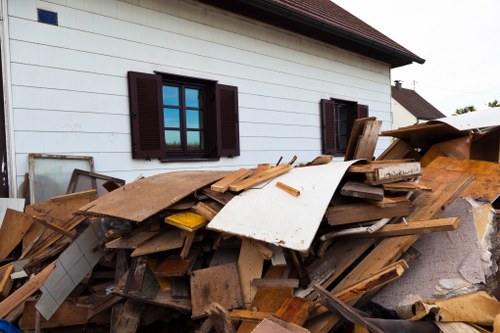 Safe Work Procedures: Standard operating procedures will be maintained for loading and unloading, stairway operations, furniture dismantling, and vehicle securement. Crew leaders must ensure that a job briefing is conducted at the start of each shift and before each project. These briefings will cover known hazards, required controls, emergency arrangements and communications protocols for the rubbish removal and house clearance team.
Training and Competence
Employees will receive induction training on this policy and specific training for their roles, including manual handling techniques, safe use of lifting equipment and recognised procedures for dealing with hazardous waste. Refresher training will be given periodically and after any incidents or when procedures change. The company will maintain training records to demonstrate competence of staff engaged in clearance and removal services.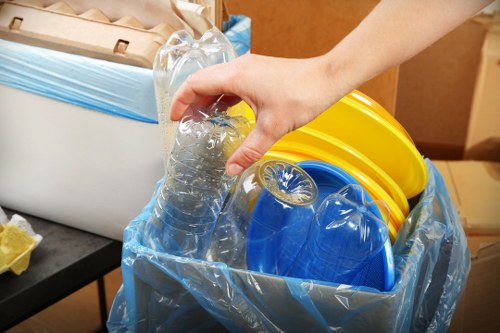 Incident Reporting and Investigation: All accidents, near-misses and hazardous occurrences must be reported promptly. A systematic investigation will identify root causes and corrective actions to prevent recurrence. Records of incidents and investigations will be retained and used to inform risk assessments and to improve operational safety across the rubbish company service area.
 Equipment and Vehicle Safety: Vehicles and plant used for clearance work will be subject to routine maintenance and pre-use checks. Loads must be secured to prevent shifting during transit. Drivers and operators will follow safe driving standards and vehicle safety checklists. Any defective equipment must be removed from service until repaired or replaced.
Waste Segregation and Hazardous Materials: The policy demands correct segregation of recyclables, general waste and special waste. When hazardous materials are encountered—such as asbestos-containing items, chemical containers or biological waste—work will stop and specialist removal procedures will be followed. The company will not attempt to remove regulated hazardous waste without appropriate licensing and trained personnel.
Communication and Consultation: Employees are encouraged to participate in safety discussions and to raise concerns. Toolbox talks and briefings will be used to communicate changes in procedure, seasonal risks and updates to operational protocols. Supervision will reinforce safety behaviours and ensure that crews engaged in flat clearance activities adhere to the policy.
Monitoring, Review and Continuous Improvement: Performance metrics such as incident rates, training completion, audit findings and customer-related safety observations will be monitored. Regular reviews will ensure the policy remains effective and aligned with best practice for waste and rubbish removal services. Management will update the policy as required and communicate changes to all personnel to maintain a safe working environment.
Responsibilities: Managers are responsible for resourcing and enforcing this policy. Supervisors must ensure risk assessments and safe systems of work are followed on site. Employees are required to cooperate with safety arrangements, use PPE and report hazards. Everyone has a role in maintaining safety during flat clearances and rubbish collection operations.
Emergency Preparedness: Emergency procedures including first aid provision, fire precautions and vehicle breakdown protocols are in place. All staff will be familiar with evacuation routes and emergency contacts relevant to each job location. The company will ensure adequate first-aid supplies are available and that nominated first-aiders are accessible to crews in the service area.
Policy Review: This health and safety policy will be reviewed at least annually or after significant operational change, incident or legal update. The review process will consider the specific needs of clearance work across our rubbish company service area and will aim to strengthen controls and reduce risk exposure for staff and the public.